A common winter cycle occurs when there is moisture in the air and temperatures go below freezing, then above it, then back to below freezing again. The drastic swing in temperatures from comfortable outdoor temps to those well below freezing is associated with what is called the “freeze-thaw cycle.
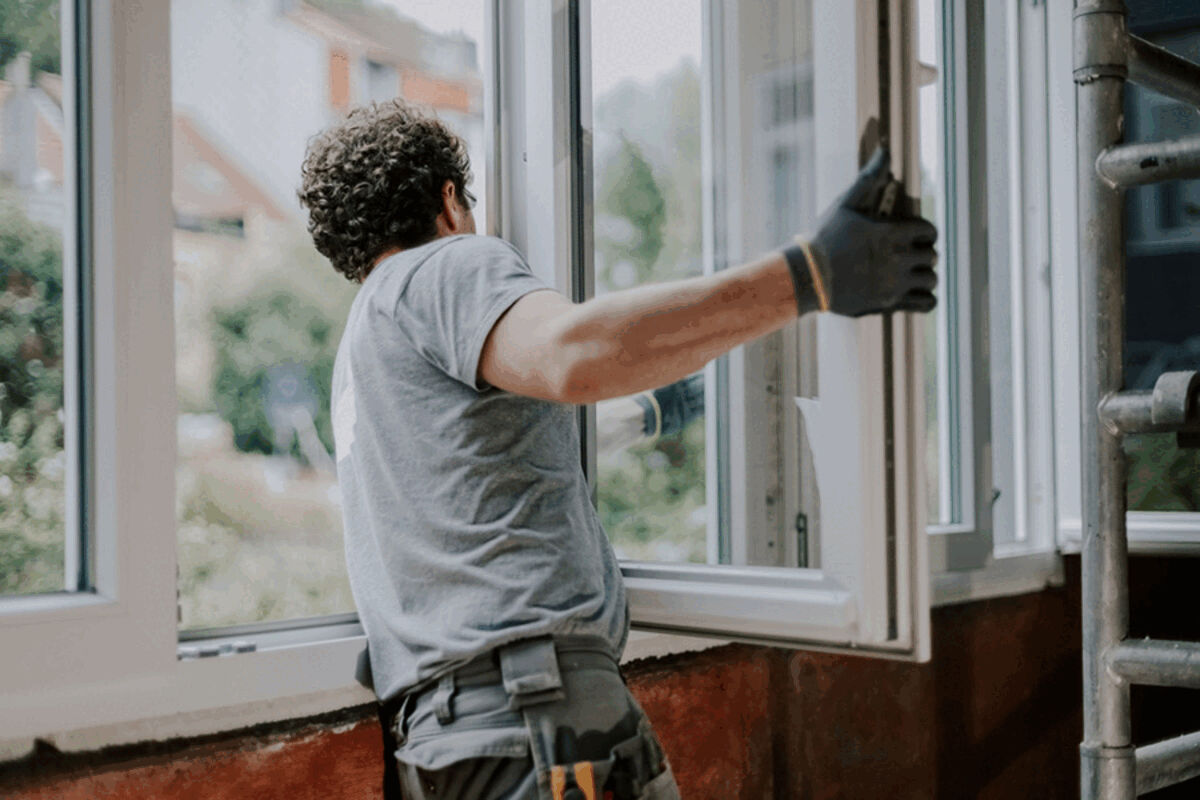
Read MoreGorgeous winter weather can be breathtaking when snow blankets the landscape just outside your window. But if you feel the Minnesota chill seeping through your (closed) windows while you’re enjoying the vista, it’s likely time for either repairs or replacements.
Read More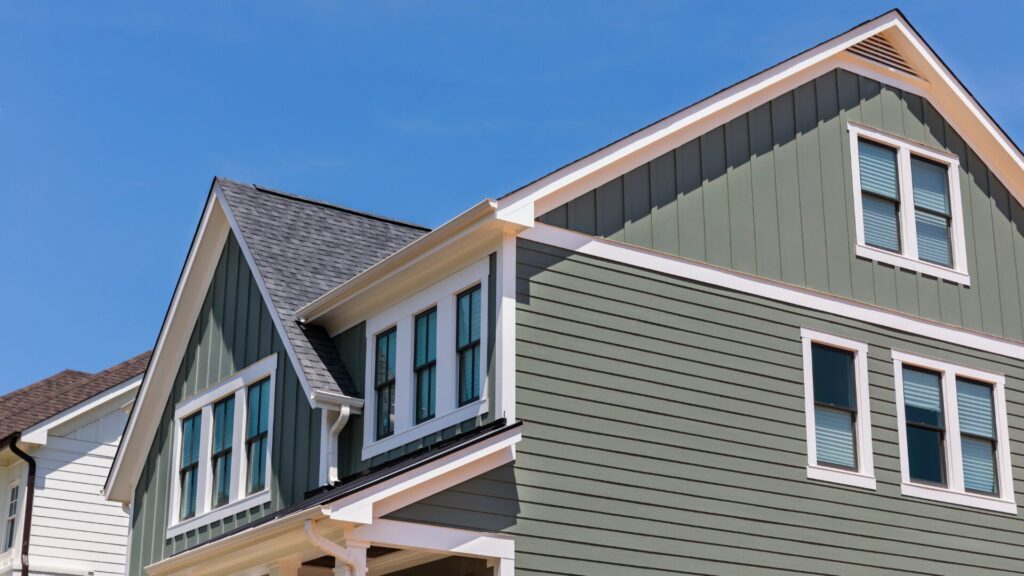
Your siding defends your home from the elements and is a defining feature of your exterior aesthetic. When it begins to wear out, shows signs of damage, or becomes vulnerable to pests or water intrusion, it’s time to replace your home’s protective layer.
Read More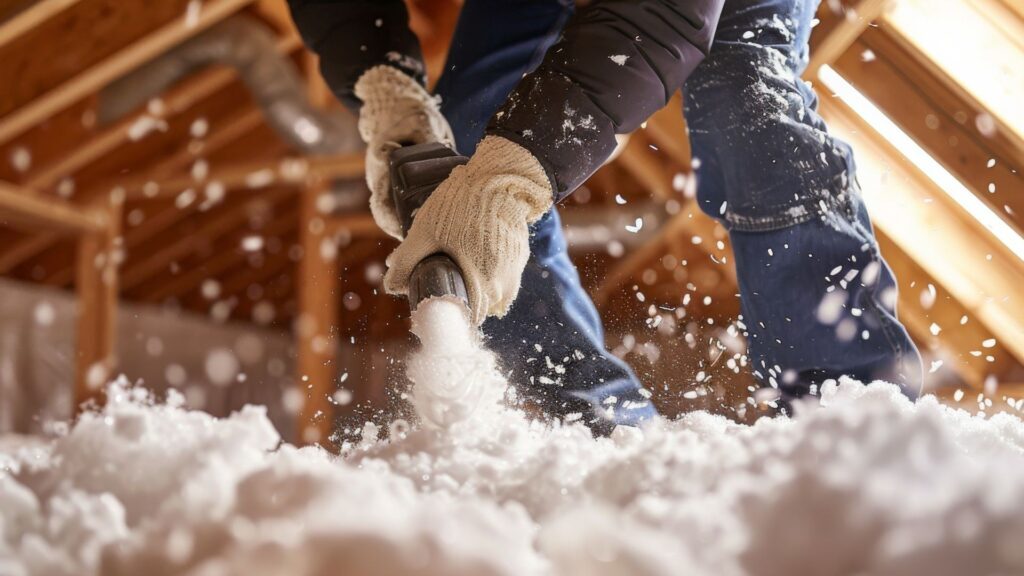
The value of added insulation just before winter in Minnesota is substantial. With temperatures plummeting to minus-60, boosting the amount of insulation in your home is a wise way to increase energy efficiency, ensure indoor comfort, and lower utility bills.
Read More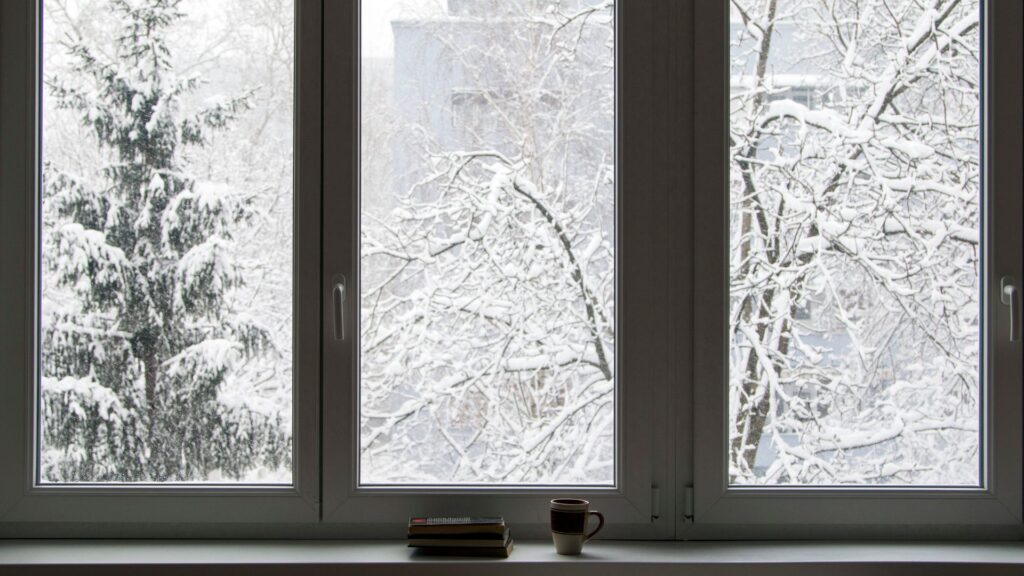
Are your heating bills skyrocketing each winter? Does your home interior feel cold even when the heater is running? Do your windowpanes rattle when the wind gusts come into contact with them? Are your windows difficult to open or close?
Read More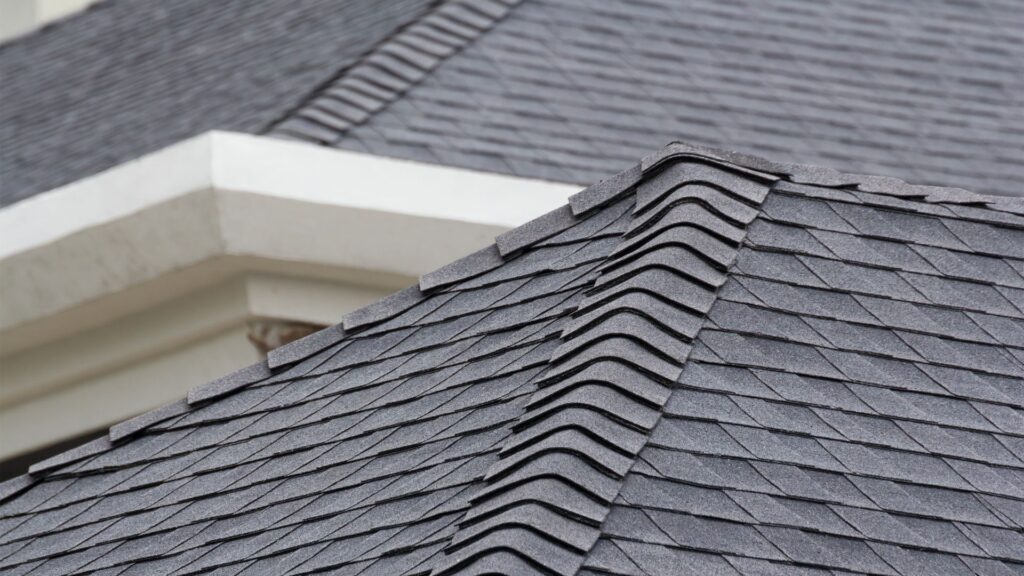
Your roof’s lifespan will be directly influenced by the way it was manufactured, your climate, and how well it was maintained over the years. Steeper sloped roofing has a longer lifespan than flat roofs that don’t allow water and debris to flow off as easily.
Read More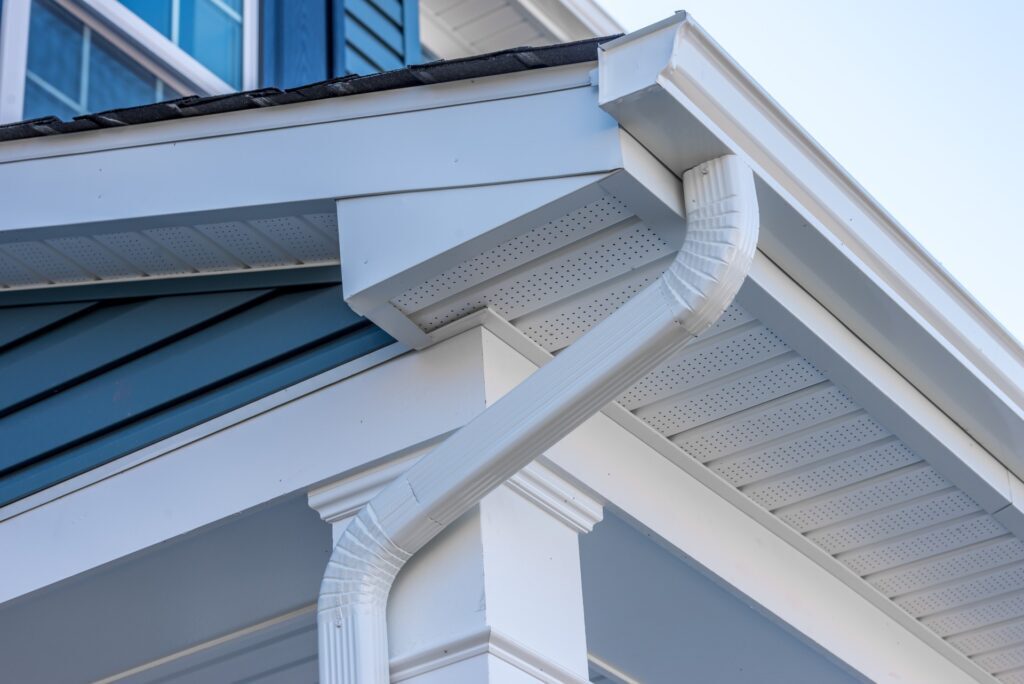
Wouldn’t you rather invest in new gutters to protect your property from costly foundation issues than deal with the sizable expense and hassle of repairing your foundation? It’s certainly easier to prevent foundation issues than it is to treat them once they appear.
Read More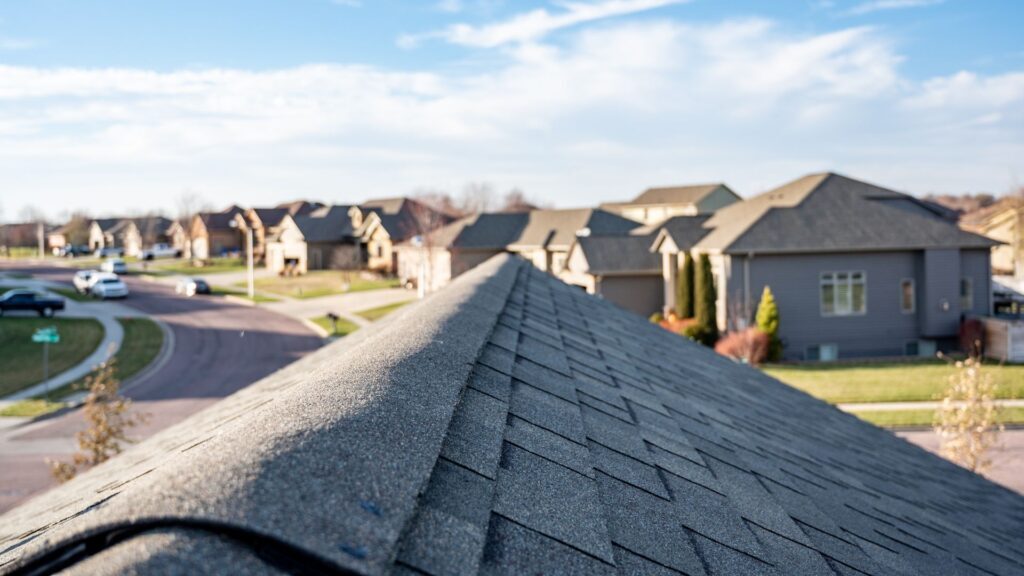
When planning for your roof replacement, there are choices to make in the process. Deciding which of the three primary types of asphalt shingles will work best for your long-term needs is a basic question you’ll need to answer as you design your new roof.
Read More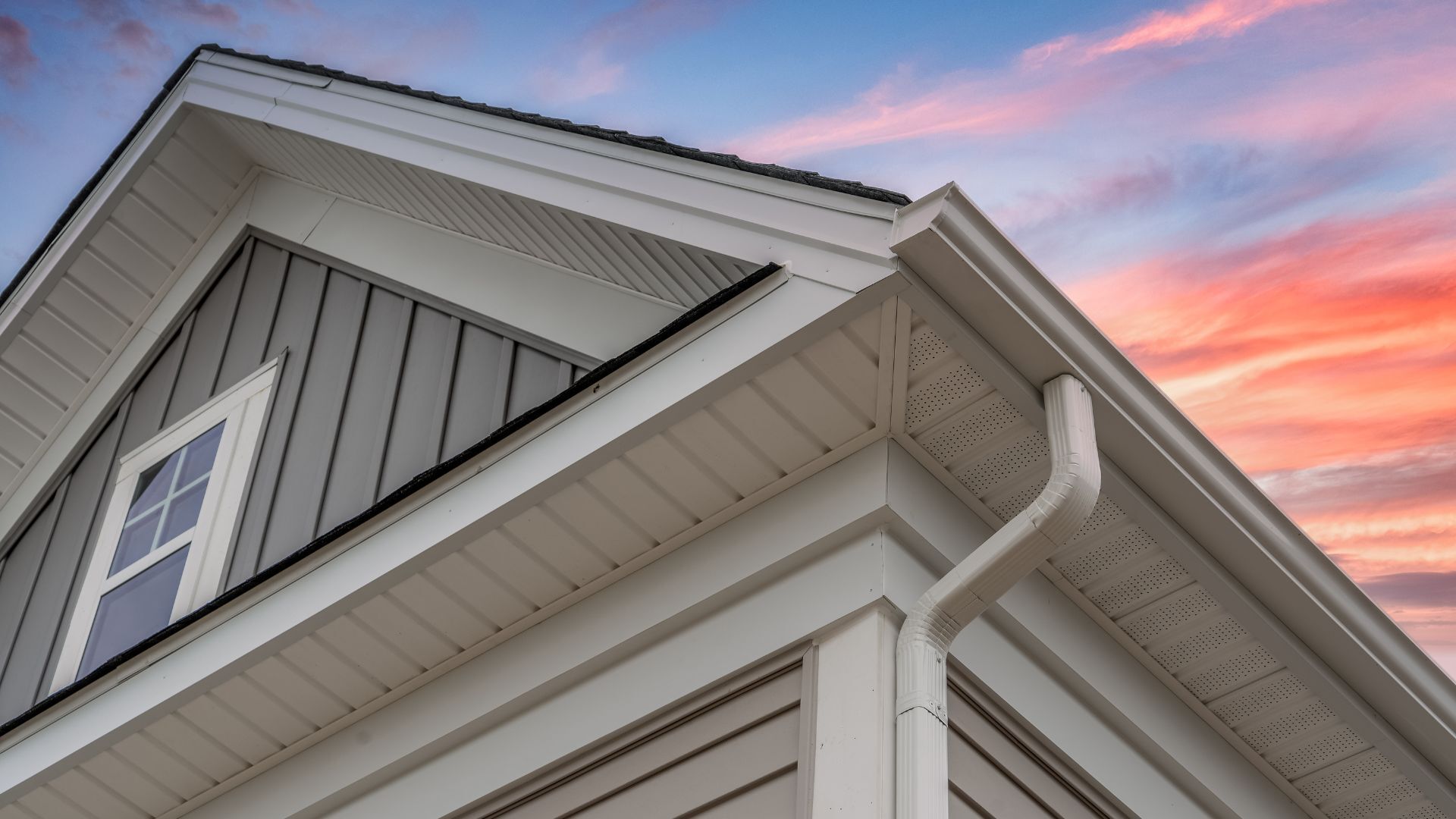
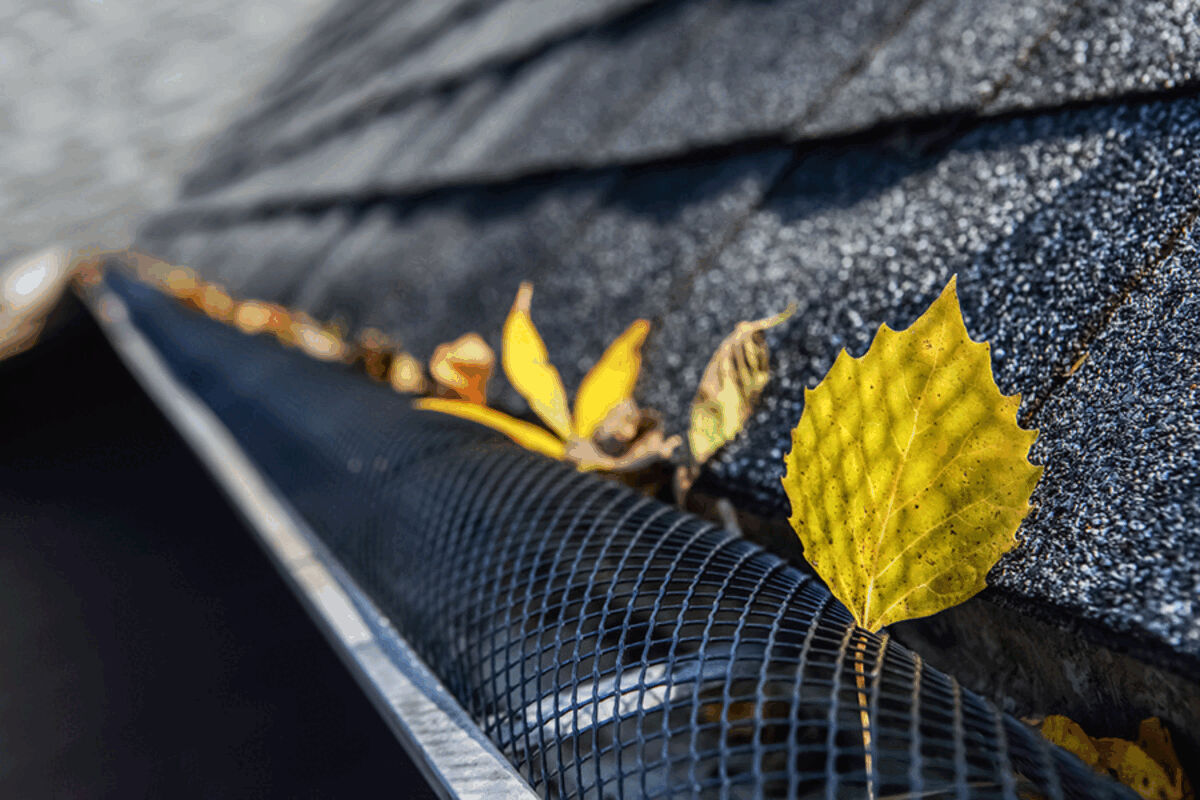
Your home’s protection from damaging water intrusion is closely connected to how well your gutters function. Rain and melting snow need to be directed away from your house’s perimeter to keep them from damaging your roof, fascia, landscaping, basement, and even your foundation.
Read More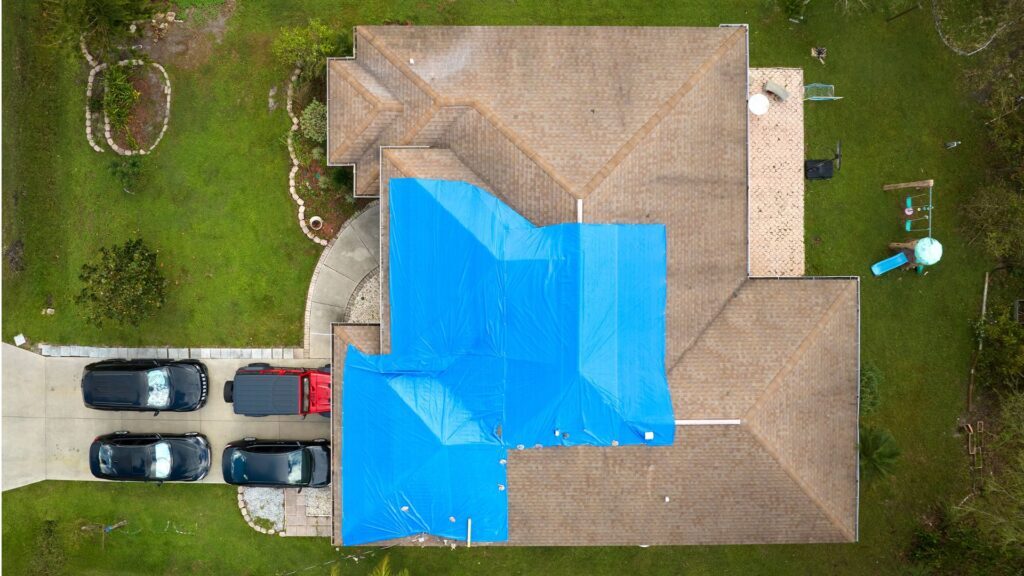
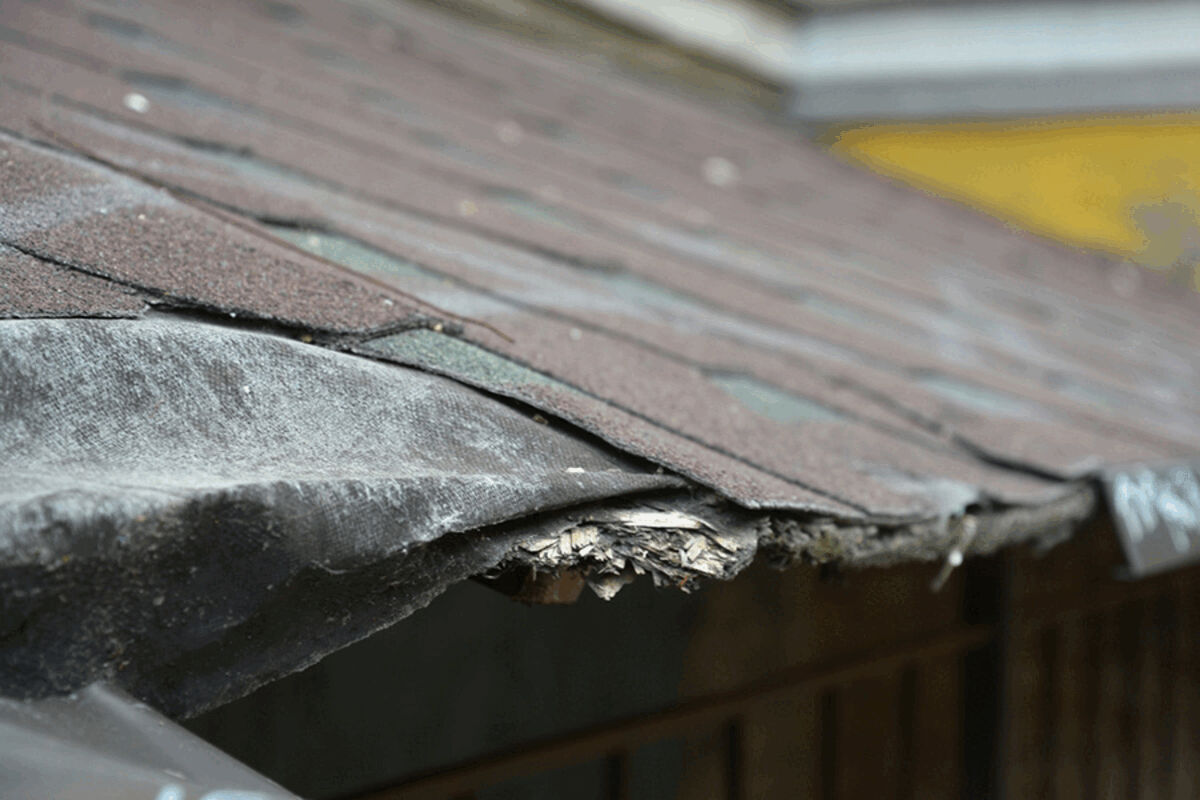
If your roof is faulty, leaking, old, or showing enough signs of wear and tear that it needs to be replaced, overlooking the situation can be pricey. Procrastinating the need for a new roof can cause problems that cascade over time and end up costing you more in the long run.
Read MoreSubscribe to Lutgen Companies's Blog